Inner life
He used poses, spaces and colour to make psychological states visible without turning them into simple stories.

Independent cultural guide · Oslo, Norway
A clear, human-made guide to the artist behind The Scream, the museum that holds much of his legacy, and the ideas worth carrying with you into the galleries.
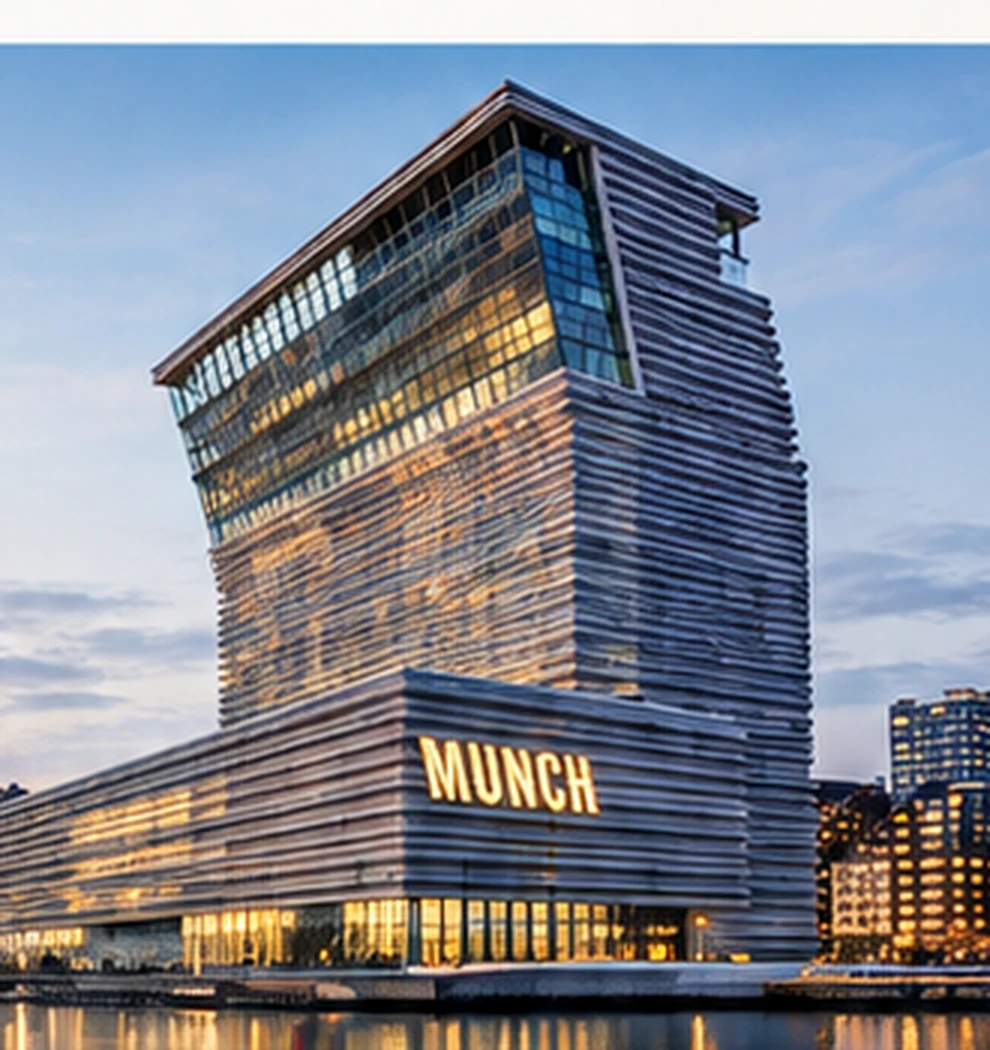
Edvard Munch’s lifetime, spanning the emergence of modern art in Europe.
An unusually long working life of constant revision, repetition and experimentation.
Painting, printmaking, drawing, photography, sculpture and even experiments with film.
The present museum stands in Oslo’s waterfront district, close to the Opera House and Central Station.
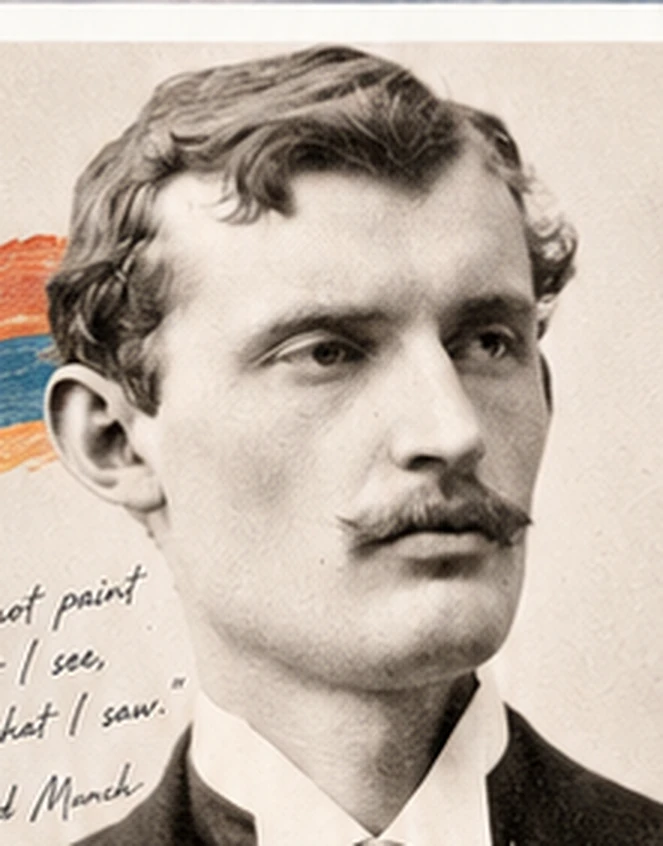
The artist
Munch did not simply illustrate emotion. He built visual structures for memory, anxiety, desire, illness, loneliness and the unstable border between inner experience and the visible world.
Born in Norway in 1863, he worked for more than six decades. His early life was marked by illness and bereavement, but reducing his art to biography misses what made it radical: he treated personal experience as material that could become universal. Figures, shorelines, bridges, rooms and skies return again and again, altered by colour, technique and time.
He was also a relentless experimenter. A motif could move from drawing to painting, then into woodcut or lithography, changing character with every translation. Rough edges, visible revisions and uneven surfaces were often part of the meaning rather than defects to be hidden.
He used poses, spaces and colour to make psychological states visible without turning them into simple stories.
Returning to a motif let Munch test how memory changes an image and how one subject can hold many meanings.
Woodcuts, lithographs and etchings were central to his practice, not secondary versions of paintings.
Scraped paint, exposed canvas, direct marks and unconventional colour give the work its physical urgency.
The museum
The museum is not only a building for famous images. It is a place where one artist’s working process, archive, reputation and influence can be examined at unusual depth.
Munch left a vast body of work and related material to the City of Oslo. The museum’s role therefore includes preservation, research and interpretation as well as exhibitions. Displays can place celebrated motifs beside drawings, prints, letters, photographs and less familiar paintings, showing how ideas evolved rather than presenting a fixed list of masterpieces.
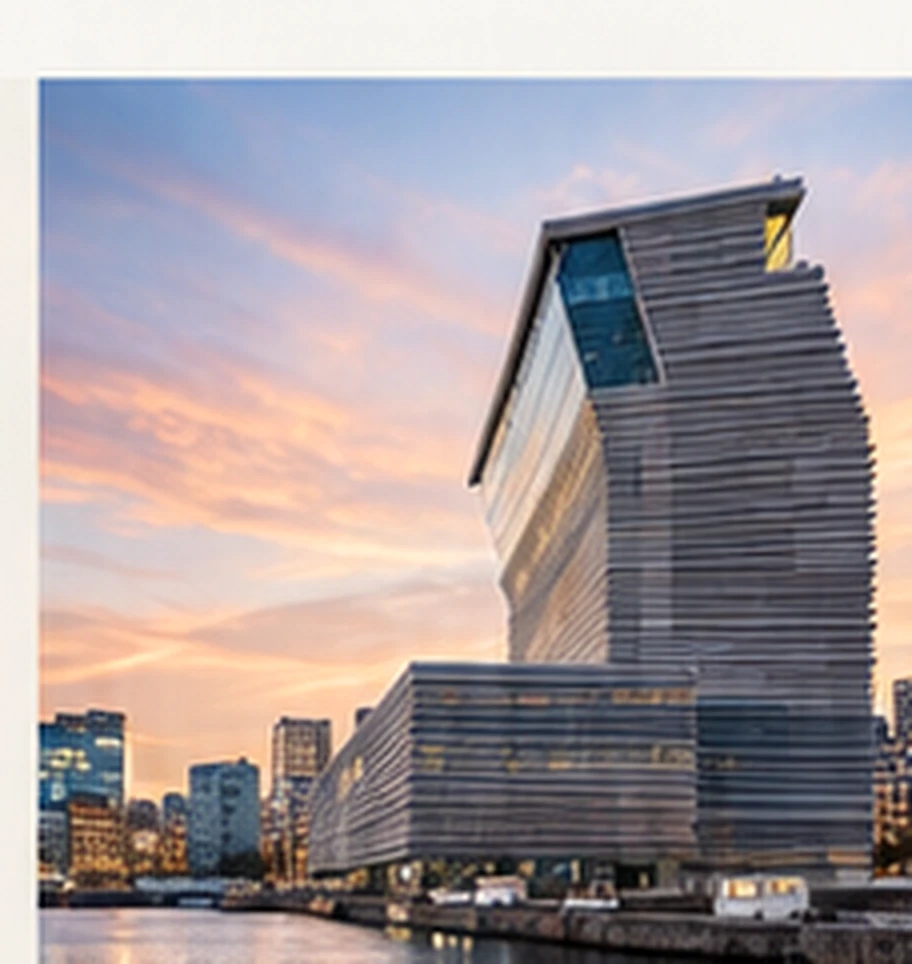
What to notice
A useful visit is less about rushing toward one famous picture and more about noticing how motifs, materials, rooms and views speak to one another.
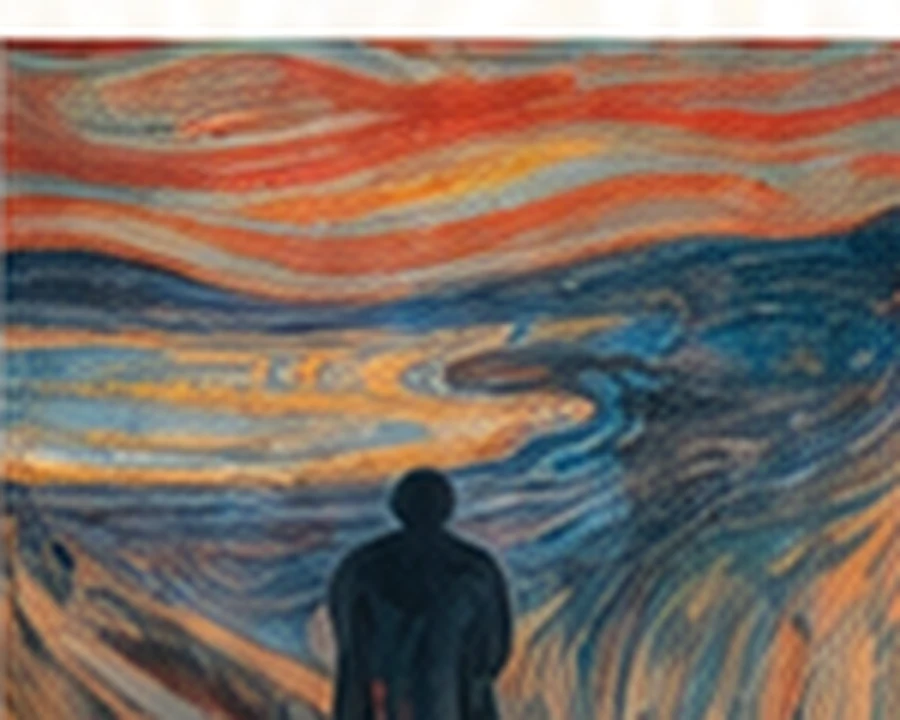
Munch often lets the landscape carry feeling: a shoreline, bridge or sky can become as psychologically charged as a face.
Look for sequences and echoes. Curatorial pairings can reveal how one image changes when placed beside another.

The surrounding water, light and urban change offer a living counterpoint to the coastlines in Munch’s work.
Vertical movement and city views create intervals between galleries—use them to slow down and reset your attention.
A way of looking
Munch repeated subjects because images remained unsettled for him. Approach the galleries in the same spirit: notice what changes between versions, what the material adds, and what your own response contributes.
A concise timeline
Dates help orient the story, but Munch’s development was not a straight line. Earlier motifs repeatedly returned in later decades.
Edvard Munch is born in Løten and grows up largely in Kristiania, now Oslo.
Training, bohemian circles and early exhibitions establish his commitment to a life in art.
Love, anxiety, jealousy, illness and death become recurring themes across connected motifs.
Exhibitions, patrons and travel expand his reputation while printmaking broadens his audience.
Munch settles at Ekely near Oslo, where he works on portraits, landscapes and monumental projects.
His enormous bequest becomes the foundation of the museum collection held by the city.
Plan your visit
Use this guide for context, then confirm every time-sensitive detail directly with the museum.
This independent guide is published by Ademandes. It contains no advertising pixels, analytics scripts, account system or contact form. Any future integrations should be reviewed against the privacy and cookie policies before activation.
Frequently asked questions
These answers provide orientation. Practical details should still be checked with the museum.
No. This is an independent, non-commercial editorial guide. It does not sell tickets, take bookings or represent the museum. Official information is available at munch.no.
MUNCH states that a version of the motif is always on display, but the specific work and presentation can vary. The museum owns several versions and rotates sensitive works for conservation. Confirm the current display on the official website.
A focused visit can take around two hours, while visitors who read deeply, use the audio guide or explore temporary exhibitions may want substantially longer. Build in time for vertical circulation and views from the building.
No. Munch’s collection is central, but the programme also includes modern and contemporary artists, performances, talks and changing exhibitions that place his work in wider contexts.
Yes. The museum publishes family information and activities. Rules for strollers, carriers and gallery access may change, so families should consult the official visitor page before arrival.
The website design, logo, illustrations and original editorial text are supplied as part of this project. See Credits & Sources and Terms & Editorial Notice for the intended use and attribution notes.
Contact & editorial note
This guide is published by Ademandes. For editorial corrections or website accessibility feedback, use the contact details below. Museum-specific questions, tickets and bookings should go directly to MUNCH through its official channels.